Commercial Waste in Euston for organised, compliant collection and clear disposal routes
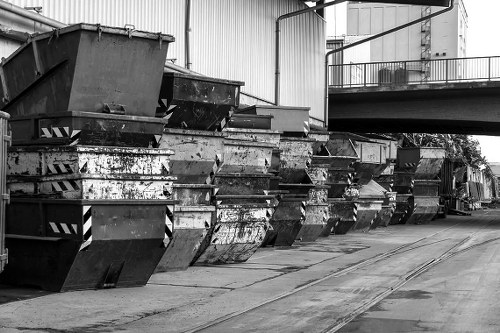
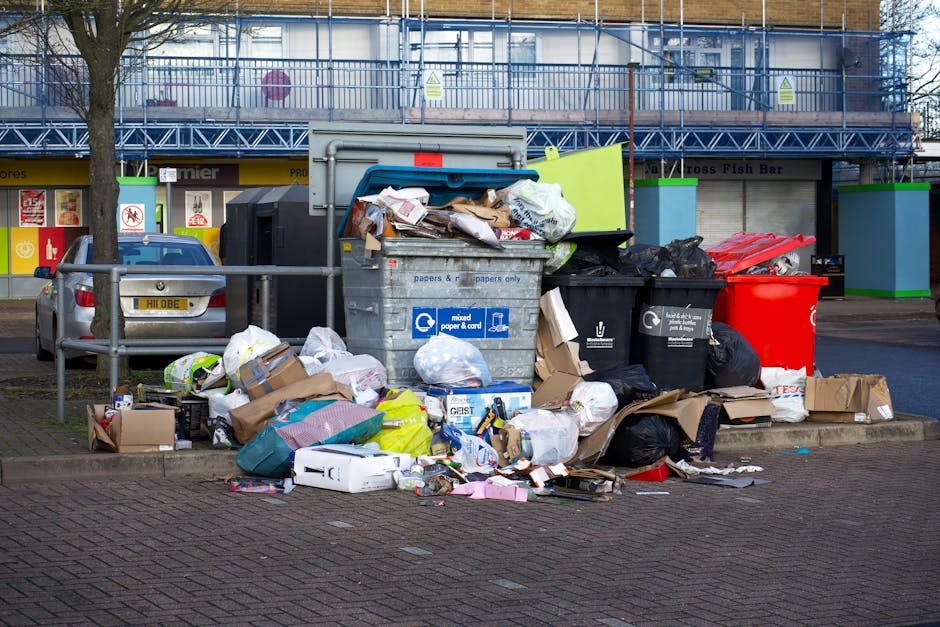
Commercial waste in Euston needs a practical service that can deal with day-to-day business rubbish, heavier office clear-outs and the mixed materials that build up after refurbishment or relocation. We provide a service focused on separating recoverable items from general disposal, so routine waste is handled in a way that supports tidiness, efficiency and sensible onward processing. For businesses that want a straightforward arrangement, the aim is to make the collection stage clear from the outset.
Our business waste removal service covers a wide range of commercial premises, including offices, shops, hospitality settings and managed properties where waste streams can change from week to week. The work may involve bagged rubbish, cardboard, packaging, fittings or general mixed waste, depending on what your site produces. If you need a formal starting point, take a look at our pricing and quotes page and use it to request a quotation in the way that suits you.
Where a job includes desks, shelving, storage units or other site contents that no longer need to stay on the premises, our office clearance service can help bring the space back to a workable condition. Businesses often need a method that keeps usable items separate from waste, especially when a room has to be cleared in stages. A measured approach helps avoid unnecessary disposal and gives you a better sense of what is leaving the site.
Commercial waste collection and removal options
Commercial waste is rarely uniform. A business may need one visit for accumulated packaging, another for broken fixtures after a reorganisation, or a more structured clear-out before handing back a lease. The useful part of a dedicated collection service is that it can be adjusted to the load in front of you, rather than forcing every job into the same pattern. That makes it easier to match disposal to the practical demands of the premises.
Our general waste removal service is a broader option when the contents include a mixture of commercial rubbish that does not sit neatly within one specialist category. It can suit premises where several waste types are present together and a single, organised removal is the simplest route. In some cases, that wider approach works alongside builders waste clearance when a workplace has recently been altered, decorated or repaired.
For premises dealing with heavier items at the same time as day-to-day rubbish, the value lies in planning what should be separated first. That includes deciding whether large items, loose rubbish and packaging can be gathered into distinct piles before collection. Clear sorting does not need to be complicated, but it does help the removal run more smoothly and can reduce the chance of reusable material being mixed in with waste.
Office, furniture and equipment clearances
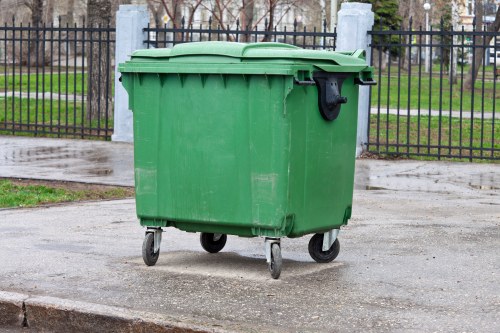
When a commercial space changes use, the waste problem is often wider than simple rubbish collection. Office clearance can involve chairs, filing cabinets, desks, screens, pedestals, shelves and assorted small items that need lifting, separating and removing without disrupting the rest of the building. For that reason, the service has to be practical enough to handle both bulkier furnishings and the smaller items that collect in drawers, cupboards and corners.
For furniture-specific work, our furniture clearance and furniture disposal pages describe the sort of items commonly dealt with when offices, landlords or occupiers want pieces removed from site. Some items may be suitable for reuse or recovery, while others are ready only for disposal. The approach depends on the condition of the furniture and the mix of materials involved, especially where wood, metal, textiles and plastics are combined in one item.
Large clearances are easier to manage when everyone knows which rooms or zones are being dealt with first. If you are preparing an enquiry, it helps to have a basic list of the main item types and any access limits, such as lifts, loading points or narrow stairways. This is not about over-preparing; it simply gives a firmer basis for arranging a quotation and avoids unnecessary back-and-forth.
Specialist disposal for appliances, mattresses and bulky items
Some commercial sites produce bulky waste that cannot be treated as ordinary rubbish because it needs more careful handling. That may include old appliances from staff kitchens, reception furniture that has reached the end of its use, or mattresses from hospitality and accommodation settings. A specialist removal route gives these items the attention they need, rather than placing them into a generic collection without checking the best path onward.
Where electrical items are involved, our fridge and appliance removal service is relevant to businesses replacing kitchen equipment, storage units or back-of-house appliances. For larger upholstered or bed-related items, the mattress and sofa disposal page covers another common stream of bulky waste. These items are often awkward to store, awkward to move and unsuitable for casual handling, so a proper collection plan matters.
Useful decisions at this stage include whether the items are still positioned inside the property, whether they are already stacked for collection and whether anything fragile sits nearby. A little organisation can make it easier to remove bulky waste without causing damage to floors, walls or fittings. If you want to start the process, request a quotation once you have a clear idea of the items involved.
Storage areas, lofts and back-of-house spaces

Commercial waste does not always live in the open. Many sites have storage cupboards, loft spaces, plant rooms, basements or rear rooms where unwanted material accumulates gradually. Clearing these spaces often takes more time than it appears to at first glance, because the contents are usually mixed and access may be awkward. The service has to account for both the items themselves and the conditions under which they can be moved safely.
Our loft clearance, garage clearance and home clearance pages are useful references where the waste in question sits in ancillary areas rather than main office floors. They show the kind of spaces where clutter, storage overflow and mixed items can build up over time. In a commercial setting, the same principles apply: identify what stays, what goes and what needs to be separated before lifting begins.
For businesses preparing these areas for inspection, refurbishment or return to use, the key is not to overcomplicate the job. Good access, a clear route and a simple note of any awkward items usually help more than a long list of instructions. If the area contains old equipment, broken storage and loose waste together, keeping those categories separate early on makes the clearance easier to manage.
Business waste, recycling and responsible handling
Commercial waste services work best when they recognise that not everything from a business premises belongs in the same pile. Paper, cardboard, broken fixtures, furniture, appliances and mixed rubbish may all need different handling routes. A sensible removal service should treat that mixture carefully, aiming to divert suitable materials where possible while still removing the remainder efficiently from the site.
Our recycling and sustainability page explains the broader principle behind that approach. It is useful for customers who want to understand how recyclable material is separated from general waste, and why that matters when a business is clearing a lot of items at once. For sites with sensitive papers or records, confidential shredding is another relevant option when document disposal needs an additional layer of care.
If your business produces a steady stream of waste rather than a one-off clear-out, it helps to think in terms of categories rather than single items. Cardboard and packaging may gather in one zone, general rubbish in another and outdated furniture in a third. That kind of organisation makes collection simpler and helps keep the service focused on what the site actually needs removed.
Hazardous and unusual waste streams
Not every commercial waste stream is suitable for ordinary removal. Some materials need extra assessment because they may present handling, disposal or contamination concerns. That is particularly important where items are unusual, damaged or no longer clearly identifiable. The right route depends on the material itself, not simply on whether it happens to be taking up space on the premises.
Our hazardous waste disposal page covers one such category and should be considered where a business has waste that needs special treatment. This is not the place for guesswork. If a container, substance or item may need separate handling, it is better to identify it early and keep it apart from the rest of the load. That can make the rest of the collection clearer and helps prevent avoidable mixing.
Two simple steps are often enough to improve the accuracy of an enquiry: first, note any items that look potentially restricted; second, set them aside so they can be discussed separately. If you are unsure whether a particular item falls into a specialist category, it is better to describe it plainly than to assume it can be treated as general waste.
About Euston
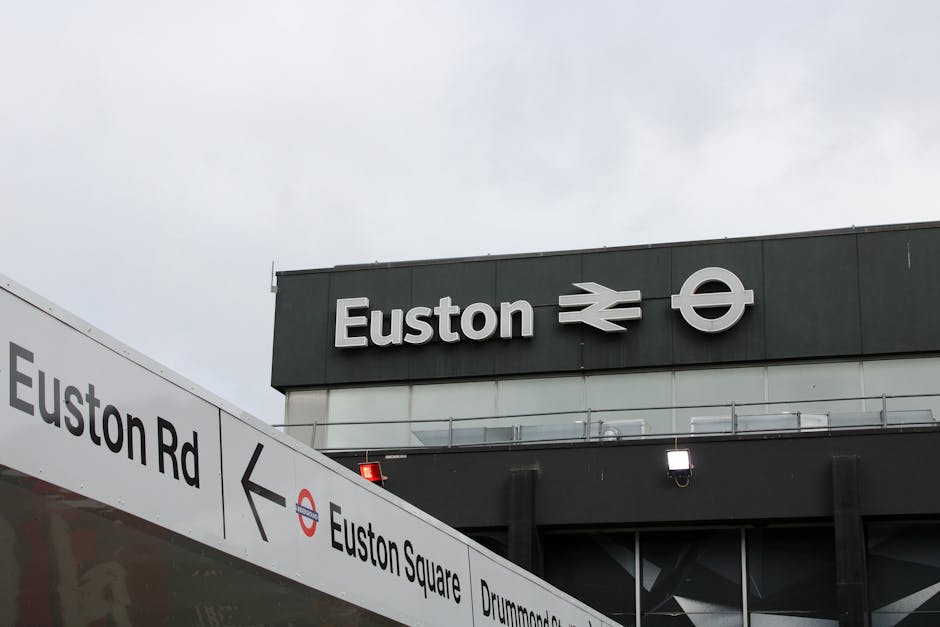
Euston sits in central London within the London Borough of Camden and is best known for the station that has long made it a major transport point. The area takes its name from Euston Hall in Suffolk, linked historically to the Dukes of Grafton, and the modern district grew rapidly through the nineteenth century as the railway network expanded. Its most recognisable landmark is Euston railway station, opened in 1837 and later rebuilt, which established the district as a key gateway into the city. The neighbourhood is also closely associated with St Pancras and King’s Cross to the east, Bloomsbury to the south and Camden Town to the north-west, placing it within a dense urban part of London that mixes transport, education, health and office uses. Much of the area is shaped by large institutions rather than small residential streets alone, including University College London and several medical and academic buildings. Euston Road itself is one of the major east-west routes through central London and forms an important part of the district’s setting. Nearby, Regent’s Park provides open green space, while smaller squares and terraces reflect earlier phases of urban development. The result is a place defined by movement, layered architecture and continual change, with older buildings standing alongside newer infrastructure and redevelopment projects. For visitors and workers alike, Euston remains a practical and highly connected part of London, with a character shaped by rail travel, institutional buildings and the constant activity of the surrounding streets.
End-of-lease clearances and timed removals

Commercial waste often arrives at a decisive moment: the end of a tenancy, a re-fit, a move or a handover. At that point, the work is less about routine tidying and more about making sure the site is left in a usable condition. A clearance may need to remove abandoned furniture, packaging, broken storage, mixed rubbish and anything else that no longer belongs in the space. That is where a structured approach to removal becomes especially useful.
Our flat clearance, house clearance and about us pages can help customers understand the wider range of clearance work available on the website, although the commercial focus here remains on business waste. For a business premises, the important thing is to keep the removal targeted to the areas that actually need attention. That may include back rooms, former storage areas or a full floor if the site is being vacated.
When timing matters, the practical side of the job usually comes down to access and preparation rather than elaborate planning. A short note about the rooms involved, the kind of waste present and any items that should not be moved is often enough to shape a sensible quotation. Where the load is mixed, clarity at the outset is more useful than broad assumptions later on.
How to prepare a quotation request
Quotations for commercial waste are generally easier to prepare when the description of the work is specific. That does not mean every item has to be listed in minute detail, but it is helpful to know whether the job is mostly general rubbish, a furniture clearance, a set of appliances or a mixed load from several areas. A clear outline saves time and supports a more accurate response.
Our book online page offers a direct route for customers who prefer to move from initial enquiry to arranged collection without unnecessary delay. If you are comparing options, the contact us page is also a useful place to send a straightforward request for a quotation. Include the main item types, the location within the premises and any access points that could affect lifting or loading.
As a final practical step, make sure the waste you want removed is distinguishable from anything that will stay on site. This is especially helpful when office equipment, stored stock and loose rubbish are all in the same area. Clear identification of what needs taking away keeps the enquiry focused and helps you move toward an agreed collection without avoidable confusion.
Choosing the right disposal path for your premises

Not every business waste job needs the same level of handling, so the best option is usually the one that matches the material in front of you. A straightforward rubbish removal may suit one site, while another needs a furniture clearance, appliance collection or a more specialist approach because the load includes sensitive or bulky items. The useful decision is to match the service to the waste, not the other way around.
Our insurance and safety page sets out the wider safety-minded approach behind our work, while payment and security covers another practical concern for customers arranging services online. For businesses with waste that can be handled in more than one way, these pages sit alongside the service pages by helping customers understand the wider framework in which collection and disposal are arranged.
If you are ready to move ahead, ask for a quotation in plain terms and include whatever helps describe the load accurately. A brief outline of the premises, the type of waste and the preferred timing is enough to begin. For a clear next step, request a quotation today.