Affordable rubbish clearance Eversholt Street NW1: a practical guide for homes, flats, and businesses
If you have bags, broken furniture, builders' debris, or just a stubborn pile that has been growing in the corner for too long, affordable rubbish clearance in Eversholt Street NW1 can save a lot of time and hassle. It is not just about making a room look better. It is about getting waste removed properly, keeping access clear, and avoiding the stress that comes with trying to move awkward items down narrow stairs or along a busy London street.
Truth be told, most people do not start searching for clearance help because they love the idea. They search because life got in the way. A renovation ran over. A tenancy ended. The loft filled up. Or the office has old chairs and boxed files nobody wants to deal with. This guide walks you through what affordable rubbish clearance in Eversholt Street NW1 actually means, how it works, what to look for, and how to keep costs sensible without cutting corners.
Along the way, you will also find practical pointers on furniture disposal, flat clearance, builders waste, and other related jobs that often come up in the same conversation. If you want to explore broader services as you read, you may find the waste removal service and the page on pricing and quotes helpful for understanding how clearance jobs are typically assessed.
Table of Contents
- Why affordable rubbish clearance in Eversholt Street NW1 matters
- How affordable rubbish clearance in Eversholt Street NW1 works
- Key benefits and practical advantages
- Who this is for and when it makes sense
- Step-by-step guidance
- Expert tips for better results
- Common mistakes to avoid
- Tools, resources and recommendations
- Law, compliance, standards, and best practice
- Options, methods, or comparison table
- Case study or real-world example
- Practical checklist
- Conclusion
- Frequently asked questions
Why Affordable rubbish clearance Eversholt Street NW1 Matters
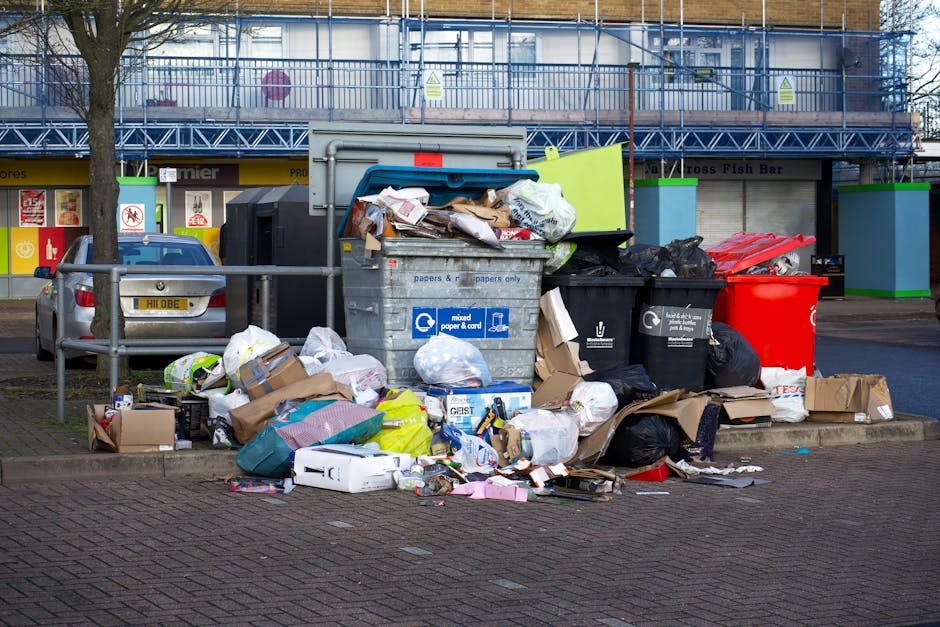
In a place like NW1, space is precious. That is the simple answer. Flats, terraces, converted buildings, small offices, and shared entrances often mean that rubbish builds up faster than you expect and becomes harder to move once it does. A single bulky item can block a hallway. A few bags left in the wrong place can make a room feel untidy and stressful. And if you are dealing with a deadline, it becomes more than an inconvenience.
Affordable rubbish clearance matters because people need a service that is both practical and reasonably priced. Nobody wants to pay for more than they need, but nobody wants a cut-rate service that turns up late, leaves mess behind, or cannot handle mixed waste properly. That balance is what most readers are really looking for.
There is also a local reality to think about. Eversholt Street sits in a busy part of London, so access, parking, timing, and building layout can all affect the job. A clearance that would be straightforward in a suburban driveway can take a bit more thought here. That does not mean it has to be expensive. It just means planning matters. A lot.
For many people, the real benefit is peace of mind. Once the waste is gone, the room is usable again. The property presents better. The next job, whether decorating, moving out, or reopening a workspace, can actually begin. Simple enough, but very real.
How Affordable rubbish clearance Eversholt Street NW1 Works
The basic process is usually straightforward, even if the waste itself is not. Most reputable clearance jobs follow a few common steps: assess the waste, agree the price or estimate, collect the items, sort what can be reused or recycled, and dispose of the rest responsibly.
It often starts with a description or photos. That might include loose rubbish, broken appliances, old wardrobes, desks, mattresses, garden cuttings, or renovation debris. The more accurately you describe the load, the easier it is to quote fairly. Mixed waste is common, but certain items need special handling, so it helps to mention anything unusual from the start.
If the job involves a flat, loft, basement, or office, access details are important too. Is there a lift? Are there stairs? Is parking limited outside? Is the item too large for a normal doorway? These details affect time and labour, which in turn affect cost. No mystery there, really.
For people wanting a broader understanding of what the team can move, the pages for flat clearance, house clearance, and office clearance are useful references because they show how different types of clearance jobs vary in scope.
In practical terms, the job usually becomes cheaper when the waste is easier to access, the load is clearly described, and the collection can be completed in one visit. Slightly harder jobs are still manageable, but you do pay for the extra effort. That is fair enough.
Key Benefits and Practical Advantages
There are several reasons people choose professional clearance instead of handling everything themselves. Some are obvious, others only become obvious once you have tried lugging a wardrobe down a narrow stairwell with one wobbling wheel and no good grip. Not fun.
- Time saved: A proper clearance team can remove a load far faster than a DIY tip run, especially if you do not have a van.
- Less physical strain: Heavy or awkward items are one of the main reasons people call for help in the first place.
- Cleaner finish: A good service should remove the rubbish and leave the area swept or tidier than before.
- Better sorting: Reusable, recyclable, and non-recyclable materials can be separated more effectively.
- More flexibility: Collections can often be tailored to one item, a small load, or a fuller clearance.
- Local convenience: If the job is in Eversholt Street NW1, a nearby operator or a team used to central London access can work around the realities of the area.
Another practical advantage is decision clarity. When rubbish piles up, people often keep delaying because they are not sure what can go, what should be sold, and what must be disposed of separately. A single clearance appointment can cut through that indecision in one go. You look at the space, decide what stays, and let the rest go. Surprisingly relieving, that.
If sustainability matters to you, it is worth asking about recycling and re-use pathways. A service with a proper sorting process can reduce the amount of material going straight to landfill. You can learn more about that approach on the site's recycling and sustainability page.
Who This Is For and When It Makes Sense
Affordable rubbish clearance in Eversholt Street NW1 is for more people than you might think. It is not only for major refurbishments or full house emptying. In real life, it helps in all sorts of everyday situations.
Homeowners and tenants often need clearance after a move, a renovation, a clear-out, or a sudden build-up of unwanted items in storage areas. Sometimes it is just the spare room that became a dumping ground. Happens all the time.
Landlords and letting agents may need fast, tidy removal between tenancies, especially if a property is left with a few bulky items, mixed rubbish, or old white goods. A prompt clearance can make the next stage smoother.
Offices and small businesses usually need help with desks, chairs, packaging waste, old stock, or archived material. In a compact city setting, it is often easier to schedule a collection than to tie up staff for half a day moving waste around.
Builders and tradespeople often need support with leftover rubble, timber offcuts, plasterboard, packaging, and other site waste. If that is your situation, the page on builders waste clearance explains the sort of material this service is built around.
People helping relatives or dealing with a bereavement may need a careful, respectful clearance service for a home or flat. That is rarely just about rubbish. Often it is about sorting through memories and practicalities at the same time, which can be exhausting.
If you are not sure whether your job is big enough to warrant help, ask yourself two questions: would it take you more than one trip, and would it be awkward to move on your own? If the answer is yes to either, getting help may be the sensible option.
Step-by-Step Guidance
Here is a simple way to approach affordable rubbish clearance without overpaying or creating extra stress.
- Identify the waste clearly. Make a rough list: bags, furniture, appliances, construction debris, garden waste, or mixed items. If there are special items like fridges, mattresses, or potentially hazardous materials, mention them early.
- Take a quick look at access. Note stairs, lifts, parking, tight corridors, and any access restrictions. In central London, this detail really matters.
- Sort what you want to keep. It sounds basic, but it prevents accidental removal and saves time later. Move keepsakes, documents, chargers, and valuables out of the way.
- Ask for a clear estimate. A proper quote should reflect the volume, weight, labour, and access involved. If anything seems vague, ask for clarification.
- Check the handling of specialist waste. Items such as fridges, sofas, mattresses, and electricals may need separate handling. Do not assume every item is treated the same way.
- Choose a collection time that suits the property. If neighbours, residents, or staff are affected, try to pick a time when disruption will be lower.
- Review the finish afterwards. The job should end with the waste removed and the area left in a usable condition. If there is dust or debris, mention it immediately.
A good rule of thumb: the more organised the preparation, the more likely you are to get an efficient and affordable result. That does not mean you need to do all the heavy lifting yourself. Just make the job easy to understand.
Expert Tips for Better Results
If you want better value from rubbish clearance, the little things often matter most.
Group similar items together. It makes the job quicker to assess and often quicker to remove. A pile of flat-packed cardboard, for example, is simpler than cardboard mixed with plaster scraps, loose plastic, and random household waste.
Be honest about awkward access. A small staircase, basement level, or no-parking zone is not a problem if the team knows in advance. Surprises on arrival are what tend to drive delays and extra costs. Nobody enjoys that.
Consider whether items can be reused. Some furniture may be better offered for re-use or separated from general rubbish if it is still in decent condition. That can help reduce waste and sometimes reduce disposal costs too.
Plan around busy building times. In shared blocks or offices, collections are usually smoother outside peak movement times. Early morning or a quieter window can make a noticeable difference.
Do not leave specialist items in with general waste. Fridges, certain appliances, and some materials may need dedicated handling. If you have these, it may be worth looking at fridge and appliance removal or hazardous waste disposal depending on the item.
One small but useful habit: walk the space once before collection with a phone camera and take a few quick pictures. Nothing fancy. It helps everyone stay on the same page. A bit of visual clarity saves a surprising amount of back-and-forth.
Common Mistakes to Avoid
Most clearance problems are preventable. The trouble is, when you are busy or stressed, the obvious steps are the easiest ones to miss.
- Underestimating volume: A few bags can turn into a much larger load once you gather everything together. It is worth doing one proper sweep first.
- Forgetting access issues: Tight stairways, restricted parking, and upper floors can all change the job.
- Mixing specialist waste with ordinary rubbish: This can create delays or lead to items needing separate treatment.
- Leaving valuables in the clearance area: Documents, keys, small electronics, and sentimental items should be removed before anyone arrives.
- Chasing the lowest price without checking what is included: Cheap can be genuinely affordable, but only if the service is clear about labour, disposal, and any extras.
- Booking too late: If you have a move-out deadline or contractor visit, leaving clearance until the last minute is asking for trouble.
It sounds obvious, but people also sometimes forget to measure large items. A sofa that will not fit around a corner is not just a nuisance; it can stop the whole clearance from moving smoothly. A tape measure is boring, yes, but very useful.
Tools, Resources and Recommendations
You do not need a toolkit the size of a trades van to prepare for rubbish clearance, but a few simple things help.
- Strong bags or boxes: Good for loose items, small waste, and anything that needs to be carried in stages.
- Tape measure: Helpful for doors, stair turns, and larger furniture pieces.
- Marker pen: Useful if you want to label keep, donate, or remove piles.
- Gloves: Worth wearing if you are sorting dusty, sharp, or dirty materials.
- Phone camera: Handy for sharing photos and keeping track of what needs to go.
From a service perspective, a useful next step is to compare clearance type with the actual waste you have. For example, a home clear-out may be more appropriate than a simple furniture collection if the job includes mixed household items. If the main issue is chairs, wardrobes, and other bulky pieces, a dedicated furniture clearance or furniture disposal page can help you match the service to the load.
For storage-heavy spaces like lofts, garages, and basements, you may also want to look at loft clearance and garage clearance. These pages are useful because they reflect real situations rather than forcing everything into one generic label. That is often where the value is.
Law, Compliance, Standards, or Best Practice
Rubbish clearance is not only about getting rid of stuff. It also involves proper handling, transfer, and disposal practices. In the UK, waste should be managed responsibly, and businesses in particular should make sure they are using a legitimate service that handles waste appropriately. That is the sensible baseline.
If you are a homeowner or tenant, your main responsibility is usually to avoid fly-tipping, separate anything that needs special treatment, and use a service that disposes of waste properly. If you are a business, the duty of care is more important because you may need to be more careful about what leaves the premises and how it is documented.
Best practice usually includes the following:
- clear description of waste type before collection
- separation of general waste from specialist items
- safe handling of heavy or awkward items
- careful disposal or recovery routes for recyclable material
- transparent pricing and terms
Safety also matters. Large items can shift unexpectedly. Sharp edges, broken glass, and damp materials can all create avoidable risk. A professional team should work in a tidy, controlled way and take care around shared areas, walls, and floors. If you want to understand the approach in more detail, the site pages on insurance and safety and health and safety policy are useful because they reflect the standards a careful service should take seriously.
There is also a privacy angle for some jobs. Office clearances and household clear-outs can involve paperwork, devices, or records that should not be left lying around. In those cases, confidential shredding may be relevant. Slightly less glamorous than clearing a room, admittedly, but important.
Options, Methods, or Comparison Table
There is more than one way to clear rubbish, and the right choice depends on volume, urgency, and the type of waste you have. Here is a simple comparison to help you decide.
| Method | Best for | Pros | Limitations |
|---|---|---|---|
| Professional rubbish clearance | Mixed waste, bulky items, urgent jobs | Fast, practical, less lifting for you | Cost depends on load and access |
| DIY tip run | Small, manageable loads with a vehicle | Can suit very small volumes | Time-consuming, labour-heavy, may involve multiple trips |
| Skip hire | Longer projects and ongoing waste generation | Useful for repeated disposal during work | Needs space, permits may be needed, not ideal for tight access |
| Specialist item removal | Fridges, mattresses, sofas, appliances | Proper handling of awkward items | Often best as a separate service, not mixed with general waste |
For many Eversholt Street properties, the clearance service wins because access is limited and waste is often mixed. Skip hire can be great in the right setting, but not every street or building suits it. If you are comparing against skip-based options, the page on what can go in a skip may help you understand what would be accepted and where a different method is more practical.
Case Study or Real-World Example
Picture a small third-floor flat near Eversholt Street after a move. The tenant has a bed base, a wardrobe with one damaged door, several black bags, a broken chair, and a kitchen shelf that has seen better days. The hallway is narrow, the stairwell is a little echoey, and there is no meaningful parking right outside. Classic London job, really.
Instead of trying to squeeze everything into a hired car or leaving it to become an argument with a neighbour, the tenant prepares a short list and sends photos. The collection is planned for a quieter time of day. Items are grouped by room. The result is a quicker removal, less disruption, and a flat that can be cleaned and handed over the same day.
The lesson is not that the job was huge. It was not. The lesson is that even a modest load can become irritating if handled badly. Good clearance is often about reducing friction more than brute force. That is where value comes from.
If the same property had included a sofa, a fridge, and a stack of office paperwork, the planning would have needed to be a bit more detailed. Still manageable. Just a little more specific.
Practical Checklist
Use this simple checklist before booking affordable rubbish clearance in Eversholt Street NW1:
- Have I separated keep items from remove items?
- Have I estimated the amount of waste honestly?
- Have I checked for bulky or specialist items?
- Have I noted stairs, lifts, parking, and access restrictions?
- Have I looked at whether any items need separate disposal?
- Have I asked how pricing is calculated?
- Have I confirmed the collection window works for the property?
- Have I cleared a path so the team can work safely?
- Have I removed personal documents, valuables, and chargers?
- Have I asked about recycling or reuse where appropriate?
Quick expert summary: the cheapest-looking clearance is not always the best value. The best value is usually the job that is clearly scoped, handled safely, and finished without surprises. That is what most people actually want, even if they do not say it that way at first.
Conclusion
Affordable rubbish clearance in Eversholt Street NW1 is really about making a difficult task simple, efficient, and properly handled. When the service is well matched to the waste, the access, and the timing, the whole process becomes much easier than people expect. You clear the clutter, protect your time, and move forward without the burden hanging around for another week or another month.
Whether you are clearing a flat, emptying a loft, moving office furniture, or dealing with builders waste after a project, the same basic principles apply: describe the job clearly, check access, choose the right service type, and make sure the waste is handled responsibly. Do that, and the whole experience becomes a lot less stressful. Not perfect, maybe. But very manageable.
Get a free quote today and see how much you can save.
Frequently Asked Questions
What counts as affordable rubbish clearance in Eversholt Street NW1?
It usually means a service that is priced fairly for the amount and type of waste, without hidden extras. Affordability comes from clear quoting, efficient collection, and choosing the right service for the job.
Can I get rubbish cleared from a flat with no lift?
Yes, but access details matter. Stairs, tight landings, and upper floors can affect the time and labour involved, so it is best to mention them before booking.
What kinds of waste are usually removed?
Common items include general household rubbish, bags of mixed waste, furniture, boxes, old appliances, and some builders debris. Specialist items may need separate handling.
How do I know whether I need flat clearance or general waste removal?
If the job is mainly about emptying a flat or removing a large mix of household items, flat clearance may be the better fit. If it is a smaller or more general load, waste removal may be enough.
Is it cheaper to sort items before collection?
Often, yes. Sorting items by type and separating keep items from waste can save time and reduce confusion on the day of collection.
What should I do with a sofa or mattress?
These items are awkward, bulky, and sometimes need dedicated disposal. If you have one of those, it is sensible to mention it upfront and check whether a specialist removal page is more suitable.
Can appliances be taken away too?
Yes, many clearance jobs include appliances, but certain items such as fridges may require specific handling. It is better to flag them early than leave them until the last minute.
How long does a typical rubbish clearance take?
That depends on volume, access, and item type. A small load can be quite quick, while a larger flat or office clearance can take longer. The clearer the description, the easier it is to estimate.
Do I need to be present during the collection?
Usually, yes, at least at the start so the team can confirm what is staying and what is going. After that, arrangements vary depending on the property and booking details.
What if I have mixed waste and furniture together?
That is very common. Mixed loads are fine as long as the items are described accurately. Furniture, bags, and loose waste can often be removed together in one visit.
Is rubbish clearance better than hiring a skip?
It depends on access, quantity, and how quickly you want the area cleared. In tighter London locations, a clearance service is often more convenient than arranging a skip.
How can I keep the cost down without compromising safety?
Be accurate with your description, prepare access in advance, separate specialist items, and choose a provider that explains pricing clearly. Cutting corners on safety is never worth it.
If you are planning a wider clear-out, you may also want to explore the site's related services such as home clearance and office clearance so you can match the job to the space rather than forcing everything into one category.
And if you are still weighing up the practicalities, that is normal. A good clearance plan starts with a clear look at the mess, then one calm decision at a time. That part never really changes.